 Before
 AI design
Cottage garden
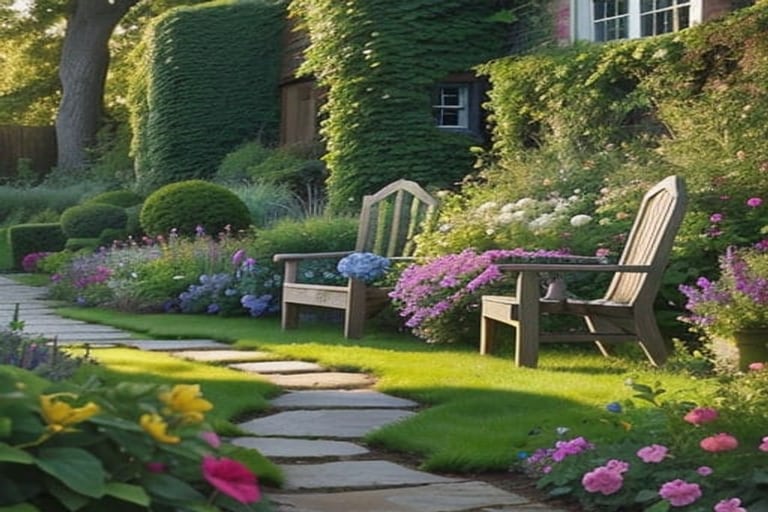
Layered borders of flowering perennials and shrubs with a stepping-stone path.
Find USDA hardiness zone native plants that belong where you live. Enter your ZIP code for your hardiness zone, a native plant shopping list and a cost estimate, then preview the style on a photo of your own yard. The visualizer starts with 2 free designs a day, no sign-up and no watermark.
Enter your ZIP code for your USDA hardiness zone, a shopping list of plants native to your region and a cost estimate. Free, instant, and your ZIP code never leaves this page.
All 50 states and DC. Try an example:
2 · Sun exposure
The area you are landscaping, 100 to 43,560 sq ft (one acre). Length × width is close enough.
3 · Yard style
5 · Must-haves
Enter a ZIP code to see your hardiness zone, a native plant list sized to your yard and what it costs to plant it yourself or have it installed.
A climate-matched plant list first, a yard visualization second: every plant fits your USDA zone before the AI draws anything.
Type a 5-digit ZIP code, pick the light the area gets and its size in square feet. The planner returns your USDA hardiness zone and planting region instantly.
Choose a garden style and any must-haves. You get trees, shrubs, perennials and groundcovers native to your region, with quantities, nursery prices and a DIY vs. contractor total.
Send the style and plant list to the AI garden visualizer, add a daylight photo of the yard and compare two concepts drawn onto your own space.
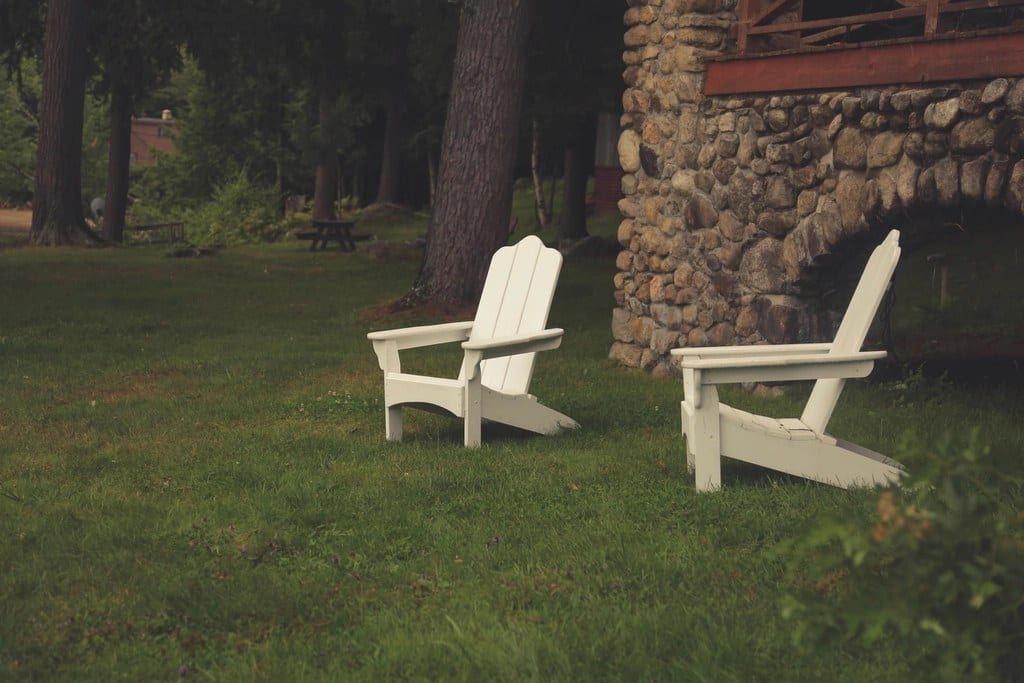
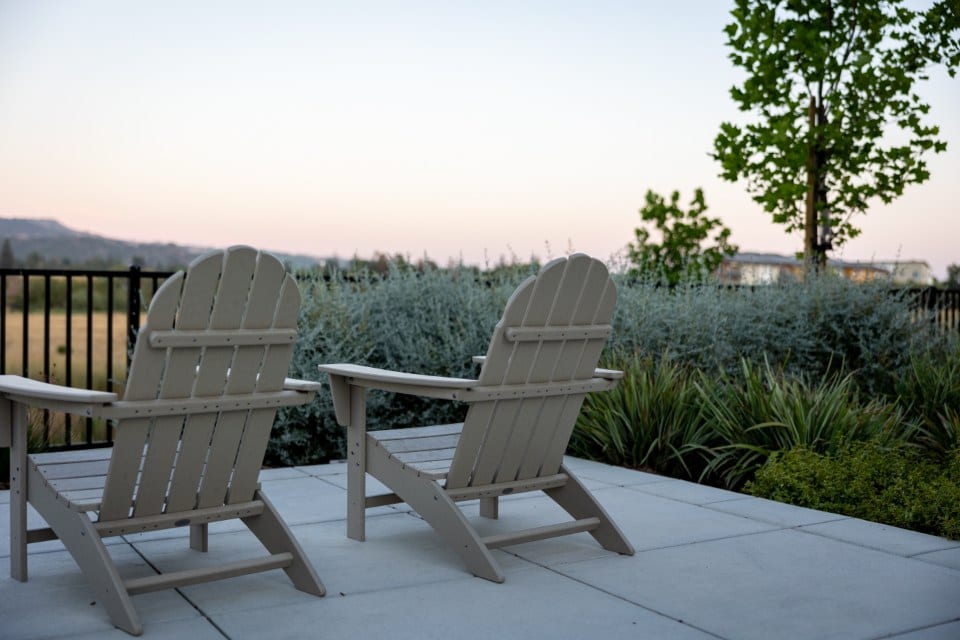
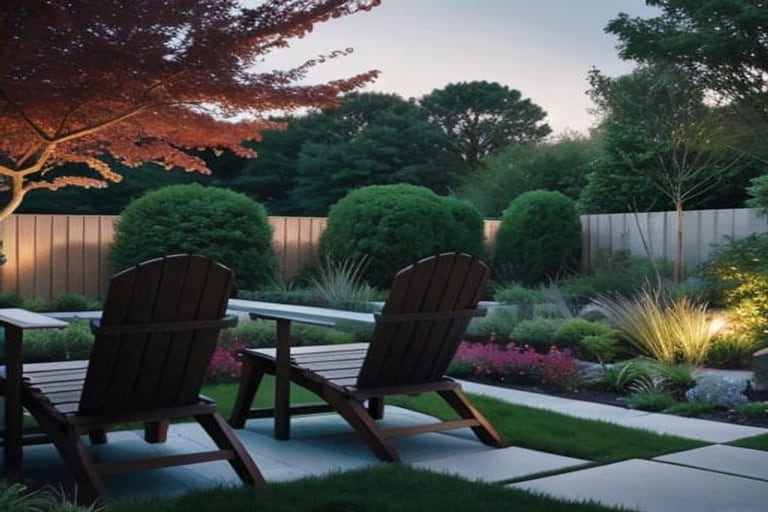
Real yards redrawn by HomeGPT in the two garden styles that passed its blind tests. The house, fences and mature trees stay where they are; the beds, paths and planting change.
BeforeAI designLayered borders of flowering perennials and shrubs with a stepping-stone path.
 Before
 AI design
Pale paving, evergreen structure, grasses in drifts and gravel accents.
Prefer to start from the photo? Open AI garden design from a photo, the AI landscape design page or the AI landscape generator.
What the planner returns for a 1,500 sq ft sunny yard in the Modern Native style, one city per planting region. Enter your own ZIP code above for your zone, light and yard size.
Northeast and Mid-Atlantic
ZIP 02108 · winter low 0 to 5 °F
Southeast
ZIP 30309 · winter low 10 to 15 °F
Florida
ZIP 33130 · winter low 40 to 45 °F
Midwest and Great Lakes
ZIP 60614 · winter low -10 to -5 °F
Northern and Central Great Plains
ZIP 68102 · winter low -15 to -10 °F
Texas and Oklahoma
ZIP 78701 · winter low 20 to 25 °F
Rocky Mountains and Intermountain West
ZIP 80202 · winter low -10 to -5 °F
Desert Southwest
ZIP 85004 · winter low 30 to 35 °F
Pacific Northwest
ZIP 98101 · winter low 20 to 25 °F
California
ZIP 90012 · winter low 35 to 40 °F
Alaska
ZIP 99501 · winter low -20 to -15 °F
Hawaii
ZIP 96813 · winter low 55 to 60 °F
Each style splits the yard differently between planting beds, paving and gravel, and ranks the native plants that suit it first.
Clean bed lines, grasses in drifts and evergreen structure, with a small paved pad and gravel accents.
35% planting beds · 10% paving · 5% gravel paths
Little or no lawn: gravel-mulched beds, wide spacing, decomposed-granite paths and the least thirsty natives for your zone.
40% planting beds · 10% paving · 25% gravel paths
Deep, full borders of flowering natives for color from spring to fall, with a stepping-stone path through them.
45% planting beds · 5% paving · 0% gravel paths
Layered beds along the front of the house: low evergreen structure, a small ornamental tree and a tidy edge to the walk.
25% planting beds · 5% paving · 0% gravel paths
A paver patio sized for a table and a fire pit, shaded by a small tree and wrapped in planting for privacy.
20% planting beds · 35% paving · 5% gravel paths
Turning the plan into quantities? Use the plant spacing planner, mulch calculator and landscaping calculator, or lay the beds out to scale in the 2D and 3D Property Planner.
Everything for this project in one place: preview it with AI, estimate the materials, then read what it costs.
Preview the idea on a photo of your own home.
Turn the concept into material quantities.
Real 2026 price ranges and ideas.
Upload one yard photo and compare two realistic garden concepts with rough plant and material lists. 2 free designs a day, no card needed.
Open the AI garden visualizer